Second grade, first grade, Superior, Extra, or Flor
It’s easy to get lost
➡️ You’ve probably asked yourself this question!
Especially when purchasing dry goods and bottling. 💵 Aside from the price, what’s the difference?
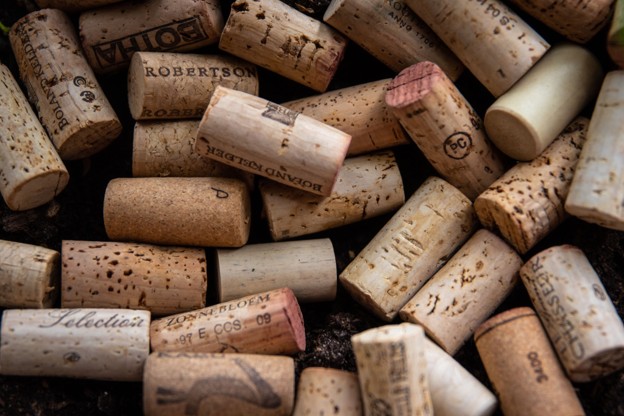
That’s where we come in! Our mission is to offer you different corking solutions based on your wines, your bottles, your clientele, and your budget 💰 ➡️ Quality (2nd choice, 1st choice…) depends on the number of lenticels. Second choice cork will have many more lenticels than flower cork.
What are lenticels?
Lenticels are small pores that allow the cork oak to exchange with its environment in the forest 🌳. They give the cork a more or less homogeneous appearance.
What’s the connection to wine or spirits?
1️⃣ The more lenticels there are, the less flexible the cork is and the less it maintains contact with the inner surface of the bottle neck.
2️⃣ Less dense cork resists less well over the years, to strong alcohols, and to multiple uncorkings.
3️⃣ When the cork is more homogeneous, its defects, particularly hard cork, are more easily detected.
It is not necessary to pay a high price for the cork if the wine or spirit is consumed within a year of bottling. However, it is important to invest in a high-quality cork if the wine is intended for a fine dining, if it is to age for several years in a cellar, or if it is a spirit intended for long-term preservation and high in alcohol content.
Contact us: contact@portuliege.com
Virginie from Portuliege