The choice of closure is much more than a mere technical detail: it influences the preservation of wine or spirits, its image, and even the consumer’s experience upon opening.
With such a varied offering – synthetic stoppers, screw caps, or cork – how do you decide?
Each option has its advantages, but if you are looking for a high-quality solution, environmentally friendly, and adds value, cork stands out as a natural choice. Let’s see why.
Cork, a signature of authenticity and prestige
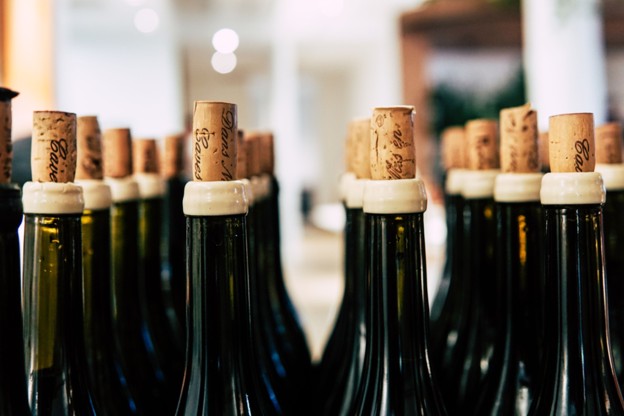
In the collective imagination, a wine or spirit sealed with cork immediately evokes craftsmanship, authenticity, and prestige. It symbolizes tradition, but also your commitment to quality.
Of course, this does not mean that other options are poor: the screw cap has proven its worth, particularly in markets where practicality is a key criterion. But for connoisseurs seeking a classic and refined experience, nothing replaces the ritual of a cork stopper.
Optimal preservation of aromas and freshness
If the goal is to ensure harmonious aging and a faithful expression of aromas, cork wins hands down.
Cork generally strikes the right balance. It accompanies the wine in its evolution in the bottle, allowing it to fully develop over time.
For wines for aging, it is difficult to rival this precious natural alchemy.
An unparalleled emotional experience
Wine is not just an assembly of grape varieties and terroirs. It is an experience, a moment of sharing, an emotion.
Spirits are not just a blend of ingredients and expertise. They offer an experience, a moment of tasting, an emotion.
And this emotion begins with the opening of the bottle. The simple gesture of uncorking, the little ‘pop’ of the cork stopper… These moments are part of the pleasure of tasting. The opening of the bottle becomes a promise, an anticipated moment, a celebration.
Of course, the screw cap has the advantage of simplicity and practicality – especially for quick consumption or in certain markets where it is highly favored. But it does not provide the same sense of ritual and authenticity that accompanies a cork stopper.
A responsible choice for the environment
Cork is not only a noble material; it is also a sustainable and ecological solution. Harvested from the bark of the cork oak, it is collected without harming the tree, which can live up to 200 years, continuing to provide cork throughout its life.
This cultivation actively contributes to the preservation of ecosystems, particularly in Mediterranean regions where cork oak forests are true carbon sinks and refuges for biodiversity.
Unlike synthetic alternatives, often fossil- or bio-based polymers requiring industrial processing and difficult to recycle, as well as aluminum caps with a high energy footprint, cork stands out as the natural and ecological choice for bottle closures.
One closure, multiple uses depending on the market
It would be incorrect to say that a single type of closure suits all beverages and all consumers. The screw cap, for example, perfectly meets the expectations of Nordic or Anglo-Saxon markets, where it is widely accepted, even preferred. It offers excellent sealing and undeniable practicality for beverages intended for quick consumption.
However, when aiming for a premium image, optimal preservation, and an engaging consumer experience, cork remains the preferred choice. This is why many producers adopt a mixed approach, favoring cork for their high-end products while using other solutions for specific markets.
Economic Advantages
By opting for natural cork, you can also achieve long-term savings. Although the initial cost may be slightly higher than synthetic or screw cap alternatives, cork offers better preservation, thereby reducing the risks of deterioration and product loss. Furthermore, consumers are often willing to pay a higher price for products perceived as being of better quality and more environmentally friendly.
In summary: why choose cork?
High-end image – Synonymous with tradition and prestige. Optimal preservation – Preserves freshness and aromas. Unique experience – A sensory and emotional ritual that enhances tasting. Durability – Natural, renewable, and environmentally friendly material. Added-value – Better valorization of your production.
Of course, every wine or spirit and every market has its requirements, and it is sometimes wise to adapt the choice of closure. But when it comes to enhancing your production and offering a complete experience, cork remains the clear winner.
Because your beverage is not just what’s in the bottle. It’s also everything that surrounds it. And it starts with a closure.
Cheers!
Virginie Lopes